Understanding Laboratory Screening With Clear Coa Essentials
Certificate Of Analysis Coa
Elements such as column type, solvent slope, detection wavelength, calibration criteria, and example preparation can all affect the last reported pureness. Even when evaluating the exact same product, different research laboratories might create slightly various outcomes as a result of these variables. A COA is an important record, however it needs to not be the only factor customers make use of when assessing a research peptide supplier. It is likewise important to take a look at exactly how the supplier presents item details across the website. A supplier-issued COA can still be useful when it is batch-specific, readable, and consistent with the item being sold. The essential question is whether the document gives sufficient quality and traceability for purchasers to evaluate it with confidence.- In straightforward terms, HPLC is commonly made use of for purity reporting, while LC-MS can add one more layer of identity-focused context.
- Every peptide set is supported by logical documents that reflects transparent, reproducible testing criteria which is offered upon request.
- They support the COA with web pages that clarify exactly how to read it, what purity indicates, just how documentation fits into the bigger depend on photo, and where readers can locate relevant laboratory sources.
- Get in touch with the research laboratory straight utilizing contact info obtained independently, not from the COA itself, to verify they carried out the screening which the results match their documents.
- Recognizing these sections assists researchers interpret the analytical information appropriately.
Certifications Of Analysis
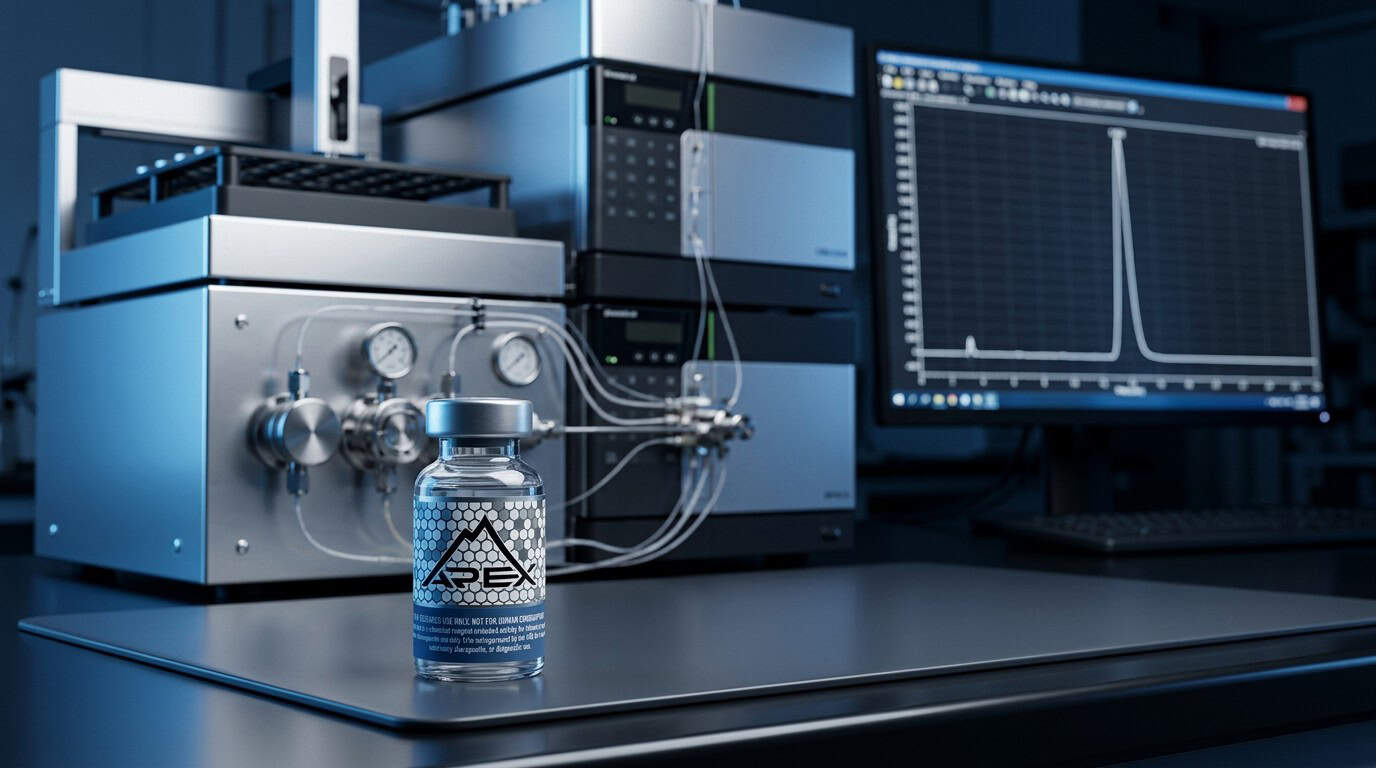
HPLC can help explain purity, while LC-MS can Recovery Research add beneficial identity-related context when offered. HPLC, or High-Performance Fluid Chromatography, is among one of the most usual logical approaches utilized in peptide paperwork. In straightforward terms, it helps show how much of the example looks like the major compound compared with various other detectable parts in the chromatographic account. This is why HPLC is commonly used to report pureness percents on a peptide COA. It is very important to comprehend that a COA is only beneficial when it is full, readable, and linked to the precise item being offered. A paper with missing out on dates, unclear methods, or no set recommendation offers customers less self-confidence in the traceability of the product.
Third-party Confirmation
Data have to show straight testing of the specific batch provided. Distinctions in resources, synthesis conditions, and purification efficiency indicate that no two sets equal. Microbiological testing confirms the absence of microbial, fungal, or yeast contamination.
Logical Technique
Summary of the research laboratory workflow utilized to verify peptide research study substances through analytical testing and documented certificates of analysis. A peptide CoA aids verify the item's identification, revealing important details like pureness and examination results. This becomes much more essential in January, when many laboratories go back to complete timetables after the vacation break. With study restarting, having correct documentation in position means much less time double-checking and even more time concentrated on the research study itself. A qualified CoA includes batch-specific data, analytical techniques, chromatograms or ranges, screening days, laboratory accreditation, and third-party verification where appropriate. Differences in between third-party lab outcomes and reported pureness are usually because of variations in logical method.